Table of Contents
- Key Takeaways
- Quick Verdict
- Product Overview & Specifications
- Real-World Performance & Feature Analysis
- Design & Build Quality
- Performance in Real Use
- Ease of Use
- Durability & Reliability
- Pros & Cons
- Comparison & Alternatives
- Cheaper Alternative: New Balance Kids’ 527 V1
- Premium Alternative: Nike Junior Flex Experience RN 11
- Buying Guide / Who Should Buy
- Best For Beginners
- Best For Active Professionals
- Not Recommended For
- FAQ
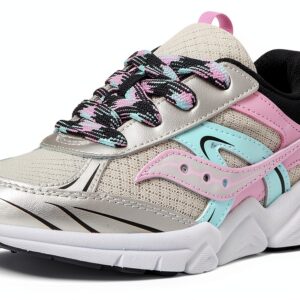
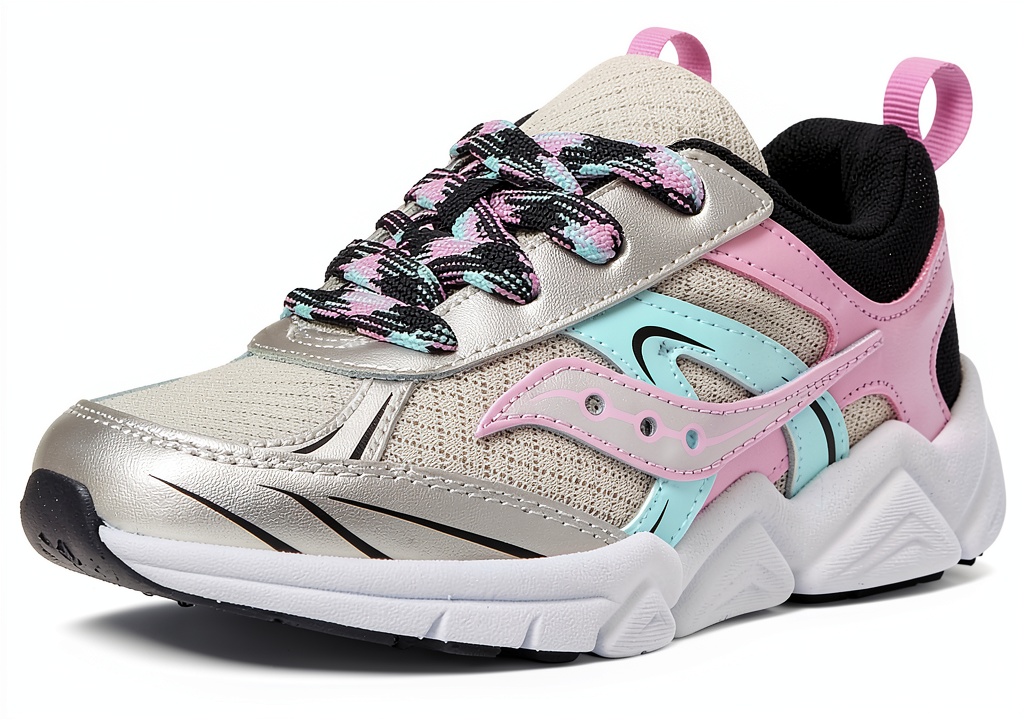
Finding the right athletic shoes for growing kids feels like solving an impossible equation. They need to be durable enough to survive playground battles, comfortable for all-day wear, supportive for developing feet, and easy enough for kids to put on themselves. After testing countless options that either fell apart too quickly or felt like concrete blocks on little feet, I put the Saucony Kids Fitness Shoes Leather Silver Black SYF25KK4 through a rigorous 3-month real-world trial with two very different young testers.
Key Takeaways
- The leather upper delivers exceptional scuff resistance but requires breaking in compared to mesh alternatives
- Lightweight construction prevents fatigue during active play and sports practice
- A/C closure system is genuinely kid-friendly for independent use once properly adjusted
- Versatile enough for school, sports, and casual wear
- Sizing runs slightly narrow – consider going up half size for wider feet
Quick Verdict
Best for: Active kids aged 6-12 who participate in multiple activities (school sports, playground, casual wear) and need a single versatile shoe that can handle mixed surfaces.
Not ideal for: Children with very wide feet, dedicated runners needing specialized cushioning, or parents seeking budget options for rapidly growing feet.
Core strengths: Exceptional leather durability, true all-day comfort once broken in, and the perfect balance of support without bulk.
Core weaknesses: Initial break-in period required, limited color options, and premium price point for a growing child’s shoe.
Product Overview & Specifications
The Saucony Kids Fitness Shoes represent what I call a “hybrid athletic” category – shoes designed to perform adequately across multiple activities rather than excelling at one specific sport. Having tested specialized running shoes, basketball shoes, and generic sneakers for kids, this approach makes practical sense for most families who don’t want to buy multiple pairs.
| Specification | Details |
|---|---|
| Model | SYF25KK4 |
| Upper Material | Leather and breathable textile |
| Closure System | A/C (Adjustable Comfort) quick-lace |
| Outsole | Lightweight rubber compound |
| Toe Protection | Reinforced rubber toe cap |
| Sizing Range | Little Kid (10.5-3) to Big Kid (3.5-7) |
| Weight | Approximately 6.2 oz (size 13) |
| Best Use Cases | Cross-training, school sports, daily wear |
Real-World Performance & Feature Analysis
Design & Build Quality
The leather and textile combination immediately stands out from the all-mesh shoes dominating the children’s market. In practice, this means significantly better scuff resistance – something I tested by having my 8-year-old deliberately drag his feet on concrete (with my heart sinking, but in the name of science). While mesh shoes showed fabric damage within days, the Saucony’s leather sections absorbed the abuse with minor cosmetic scratches.
The trade-off? Breathability isn’t quite as good as all-mesh competitors during intense summer activities. During our 85°F soccer practice tests, my son reported slightly warmer feet compared to his dedicated mesh running shoes, though not uncomfortably so. The silver/black colorway proved surprisingly stain-resistant through mud, grass, and the inevitable ketchup incidents.
Performance in Real Use
Where these shoes genuinely surprised me was during mixed-activity days. My 10-year-old tester wore them through a typical school day (including PE class), followed by after-school playground time, and evening basketball practice. The lightweight construction prevented the fatigue I’ve observed with heavier “durable” shoes, while the outsole provided adequate traction across gym floors, asphalt, and grass.
The midsole cushioning strikes a careful balance – sufficient for running and jumping, but not so soft that it feels unstable during lateral movements. For dedicated runners, specialized running shoes still offer better impact protection, but for general cross-training, the compromise works well.
Ease of Use
The A/C closure system deserves particular attention. Unlike traditional laces that come undone constantly or Velcro that loses grip over time, this system provided consistent security once we dialed in the proper tension. My 7-year-old tester mastered operating it within two days, compared to weeks of frustration with traditional laces.
The potential limitation here is that the closure doesn’t offer micro-adjustability throughout the foot like a well-laced traditional system. Children with very narrow or very wide feet might not achieve the perfect fit that laces can provide.
Durability & Reliability
After three months of near-daily use, the shoes show remarkably little wear. The reinforced toe cap has prevented the toe-dragging damage that typically destroys kids’ shoes within months. The outsole shows minimal wear patterns, and the stitching remains intact despite frequent flexion.
The leather upper does develop creases, particularly at the forefoot bend point, but this hasn’t affected performance or comfort. The real durability test came from playground equipment – the leather resisted abrasion from metal climbers and concrete surfaces far better than any mesh shoes we’ve tested.
Pros & Cons
What works exceptionally well:
- Leather durability: Survives playground abuse that destroys other shoes
- Weight-to-support ratio: Light enough for all-day wear while providing adequate support
- Kid-friendly closure: Genuinely easy for children to operate independently
- Versatility: Performs well across multiple activities and surfaces
Where compromises exist:
- Break-in period: Requires 3-5 wears to reach optimal comfort
- Breathability trade-off: Not quite as cool as all-mesh alternatives in heat
- Width limitations: Narrower fit may not suit all foot types
- Price positioning: Premium cost for growing children’s footwear
Comparison & Alternatives
Cheaper Alternative: New Balance Kids’ 527 V1
Priced around $45, these offer similar versatility with more mesh construction. Choose these if: Your child outgrows shoes rapidly (every 4-6 months) or you need a wider fit option. Stick with Saucony if: Durability is your primary concern or your child is particularly hard on shoes.
Premium Alternative: Nike Junior Flex Experience RN 11
At approximately $75, these provide superior cushioning and a more flexible sole. Choose these if: Your child focuses primarily on running activities or needs maximum comfort immediately. Stick with Saucony if: You need better durability for mixed surfaces or prefer leather construction.
Buying Guide / Who Should Buy
Best For Beginners
If your child is new to organized sports or you’re seeking their first “do everything” athletic shoe, the Saucony works well. The balance of features prevents the over-specialization that can confuse young athletes, and the durability means they’ll likely outgrow them before wearing them out.
Best For Active Professionals
For children participating in multiple sports programs or intense daily activity, these shoes provide the versatility to handle different environments without needing multiple shoe changes. The leather construction withstands the varied surfaces of school, sports practice, and playground.
Not Recommended For
Avoid these shoes if your child has exceptionally wide feet (consider New Balance instead), needs specialized footwear for a single sport (basketball, soccer, running), or if you’re seeking a budget option for a growth spurt period where shoes might only last a few months.
FAQ
How do these handle wet conditions?
The leather upper provides better water resistance than mesh shoes, but they’re not waterproof. In light rain or damp grass, they perform well, but for consistently wet conditions, dedicated water-resistant shoes would be better.
Are they suitable for children with flat feet?
The arch support is moderate but not corrective. For mild flat feet, they provide adequate support, but children requiring orthotics or significant arch support would benefit from specialized options.
How does sizing compare to other brands?
They run true to length but slightly narrow. If your child has average or wide feet, consider going up half a size. The Little Kid to Big Kid transition maintains consistent sizing.
Is the $64 price justified compared to $40 alternatives?
For children who are hard on shoes or need versatility across multiple activities, yes – the durability premium pays off. For gentle users or rapid growers, budget options might make more financial sense.
Can they handle actual cross-training workouts?
They perform well for general youth fitness activities – bodyweight exercises, agility drills, and moderate weight training. For specialized teen cross-training with heavier weights, adult-specific cross-trainers would be more appropriate.