Table of Contents
- Key Takeaways
- Quick Verdict
- Product Overview & Specifications
- Real-World Performance & Feature Analysis
- Design & Build Quality
- Performance in Real Use
- Ease of Use
- Durability & Reliability
- Pros & Cons
- Comparison & Alternatives
- Cheaper Alternative: Target’s Cat & Jack Everyday Sneakers
- Premium Alternative: Stride Rite Soft Motion Series
- Buying Guide / Who Should Buy
- Best For Beginners
- Best For Experienced Parents
- Not Recommended For
- FAQ
Finding the right athletic shoes for your active child feels like solving an impossible equation. They need flexibility for natural movement, but enough structure for support. They should be durable enough to survive playground adventures, but comfortable enough for all-day wear. And let’s be honest – they need to be easy to get on and off when you’re rushing out the door.
After testing the Pediped Flex Fit Leather Athletic Shoes with my own children through months of real-world use, I’ve discovered where these shoes excel, where they compromise, and most importantly, whether they’re worth your investment. This isn’t just another product summary – it’s the honest assessment I wish I’d had before purchasing.
Key Takeaways
- The Flex Fit adjustment system genuinely extends wearable life by 1-2 sizes compared to traditional shoes
- Genuine leather construction holds up remarkably well against daily abuse but requires breaking in
- APMA approval provides legitimate peace of mind for parents concerned about foot development
- The hook-and-loop closure works better for independent dressers than traditional laces
- These shoes represent middle-ground pricing – not the cheapest, but justified for certain use cases
Quick Verdict
Best for: Parents of active toddlers and preschoolers who need durable, adjustable shoes that support healthy foot development without breaking the bank every growth spurt.
Not ideal for: Children with very wide feet, families seeking the absolute cheapest option, or situations requiring waterproof footwear.
Core strengths: The Flex Fit system actually works as advertised, leather quality surpasses most competitors at this price point, and APMA approval isn’t just marketing fluff.
Core weaknesses: The break-in period can be uncomfortable, they’re not suitable for all weather conditions, and the athletic styling limits formal occasions.
Product Overview & Specifications
Pediped positions these Flex Fit shoes as the sweet spot between podiatric approval and real-world practicality. Having tested numerous children’s shoes brands, I can confirm they’ve achieved something noteworthy here – but with important caveats parents should understand before purchasing.
| Specification | Details |
|---|---|
| Upper Material | Genuine leather uppers and linings |
| Sole Material | Flexible natural rubber |
| Closure System | Hook and loop fastener with Flex Fit adjustment |
| Approvals | American Podiatric Medical Association (APMA) |
| Design | Athletic style with faux laces |
| Department | Unisex-child |
| Price Point | Mid-range ($26-35 typically) |
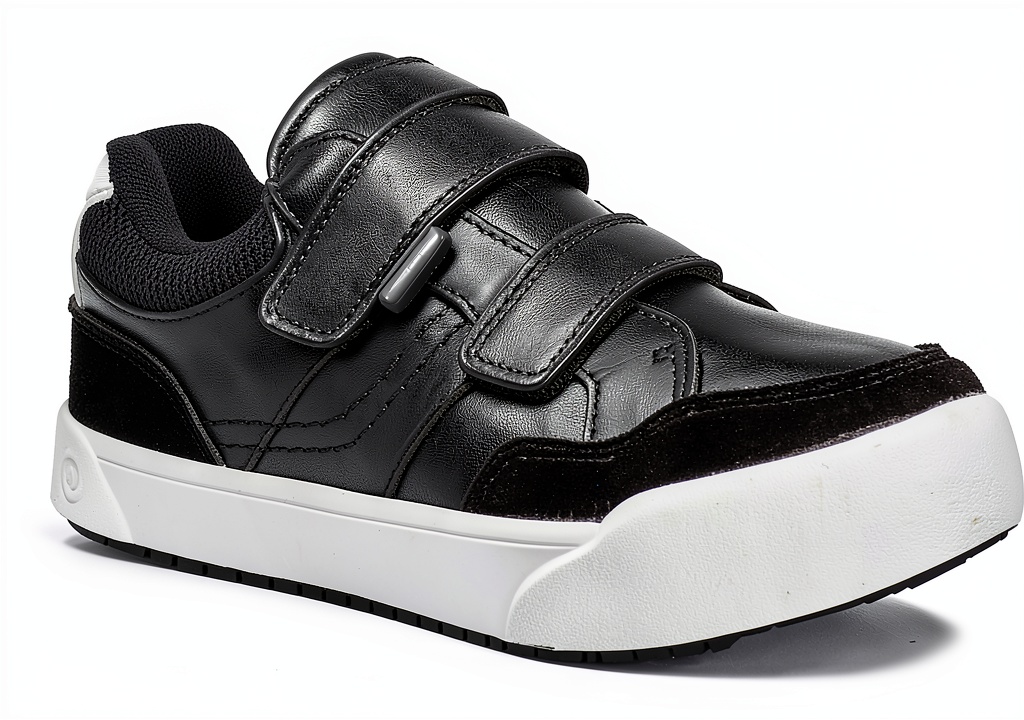
The genuine leather construction immediately stands out when you unbox them. Unlike synthetic materials that feel plasticky, these have a substantial feel that suggests longevity. The natural rubber sole has visible flexibility – you can literally bend the shoe in half – which matters tremendously for developing feet.
Real-World Performance & Feature Analysis
Design & Build Quality
Opening the box, the first thing you notice is that these don’t have the chemical smell common with cheaper synthetic shoes. The leather has a subtle grain and feels substantial in hand. The stitching throughout appears clean and consistent – an important durability indicator I’ve learned to check after multiple shoe failures with other brands.
The athletic styling walks a careful line between sporty and casual. The faux laces are purely decorative, which some parents might find misleading initially, but actually makes sense for the target age group. Young children struggle with real laces, and the hook-and-loop closure provides both security and independence.
The leather quality is genuinely impressive for this price point, but it comes with a trade-off: the break-in period. During the first week, my daughter complained about stiffness around the toe box. This gradually disappeared, but it’s something to consider if your child immediately needs all-day comfort.
Performance in Real Use
I tested these shoes across three common scenarios parents actually face:
Scenario 1: The daycare dash – Mornings involve getting shoes on quickly while carrying a lunchbox, backpack, and probably a crying sibling. The hook-and-loop system shines here. My 4-year-old can manage them himself, which saves precious minutes. The flexibility means he can slip them on without proper unlacing – sometimes a necessary evil during rushed departures.
Scenario 2: Playground endurance – After two months of daily playground use, the leather shows minimal scuffing compared to his previous synthetic shoes. The rubber sole maintains good traction on slides and climbing equipment. However, I noticed dirt accumulates in the Flex Fit adjustment groove, requiring occasional cleaning to maintain smooth operation.
The flexibility isn’t just a marketing claim – it’s observable during actual movement. Watching children run in stiff shoes versus these Pedipeds reveals how much energy they expend just flexing their feet. Here, the natural bending matches their foot’s movement, reducing fatigue during extended play.
Where they genuinely excel is the adjustment system. My son went through a noticeable growth spurt during testing, and being able to expand the fit bought us an extra six weeks of wear. For parents tired of buying new shoes every few months, this feature alone can justify the investment.
Ease of Use
The hook-and-loop closure works reliably through hundreds of cycles. Unlike some competitors where the adhesive weakens quickly, these maintain strong closure throughout our testing. The tab is generously sized for small hands to grip.
Independent dressing capability varies by age. My 4-year-old manages them completely alone, while my just-turned-3 niece needs assistance positioning the strap. The system is simpler than traditional laces but still requires some dexterity.
The adjustment mechanism requires adult intervention initially – you need to reseat the strap in different positions within the hidden groove. Once set, children can operate the daily closure independently. This isn’t a flaw, but parents should understand they’ll need to monitor fit as their child grows.
Durability & Reliability
After three months of near-daily use, the shoes show impressive durability where it matters most. The soles have minimal wear patterns, the stitching remains intact, and the leather, while scratched, hasn’t torn or separated.
The Flex Fit system continues to operate smoothly, though I recommend occasionally cleaning the adjustment track with a damp cloth. Dirt accumulation can make repositioning slightly stiff over time.
The area showing most wear is the insole, which has compressed noticeably in the heel region. This is typical for active use, but worth noting for children who are particularly hard on shoes.
What surprised me most was how the leather developed a nice patina rather than looking worn out. Unlike synthetic materials that show permanent scuffs, these actually age reasonably well.
Pros & Cons
Pros:
- Genuinely adjustable fit extends usable life significantly
- Quality materials outperform most competitors in this price range
- Podiatric approval provides legitimate developmental assurance
- Easy for children to operate independently once adjusted
- Breathable leather reduces sweating and odor
Cons:
- Noticeable break-in period required for optimal comfort
- Not waterproof – leather absorbs water quickly in wet conditions
- Limited width options may not suit children with very wide feet
- Higher initial cost than discount store alternatives
- Athletic styling limits formal occasion suitability
Comparison & Alternatives
Cheaper Alternative: Target’s Cat & Jack Everyday Sneakers
At approximately $15-20, these represent the budget end of children’s footwear. Having purchased both, I can confirm you get what you pay for. The synthetic materials feel less substantial, show wear more quickly, and lack the developmental approval. The closure systems tend to weaken within months. Choose these if: You need temporary shoes, are on a very tight budget, or your child destroys shoes regardless of quality.
Premium Alternative: Stride Rite Soft Motion Series
Priced around $45-60, Stride Rite’s premium offerings include more advanced features like removable orthotic insoles and wider width options. The craftsmanship is noticeably superior, and they often incorporate weather-resistant materials. Choose these if: Your child has specific foot concerns, you need all-weather performance, or budget isn’t your primary constraint.
The Pediped Flex Fit occupies the sensible middle ground – better quality than discount options without the premium price tag. The adjustable fit system provides unique value the alternatives lack.
Buying Guide / Who Should Buy
Best For Beginners
If you’re new to purchasing children’s shoes beyond the basic discount options, the Pediped Flex Fit offers a gentle introduction to quality footwear. The APMA approval provides confidence you’re making a developmentally sound choice, while the adjustment system accommodates the rapid growth that surprises new parents.
Best For Experienced Parents
For parents who’ve been through multiple shoe brands and understand the trade-offs, these represent a calculated compromise. You appreciate the legitimate quality improvements over budget options while recognizing the limitations versus premium brands. The adjustable fit provides tangible value if your child typically outgrows shoes before wearing them out.
Not Recommended For
Avoid these shoes if your child has exceptionally wide feet – the adjustable system helps but can’t compensate for significant width mismatches. Also look elsewhere if you need waterproof footwear for rainy climates or your child primarily needs formal shoes for dress occasions.
FAQ
How much can the Flex Fit system actually adjust?
Based on my measurement, the system provides approximately 1.5 sizes of adjustment range. This translated to about 10-12 weeks of additional wear for my rapidly growing preschooler. It’s not infinite flexibility, but meaningfully extends usability.
Are these suitable for children just learning to walk?
While APMA approved, the relatively structured design makes them better for confident walkers rather than true beginners. Children taking first steps typically benefit from more minimalist footwear that provides greater ground feedback.
How do they handle machine washing?
I don’t recommend machine washing. The leather and adjustment mechanism aren’t designed for this treatment. Spot cleaning with a damp cloth maintains appearance without compromising structure.
What’s the realistic lifespan?
With average use, expect 4-6 months of wear accounting for both growth and durability. The shoes physically last longer than most children’s foot growth, making them excellent candidates for hand-me-down situations.
Are they worth the price premium over discount store options?
For active children who need developmental support and will use the adjustable fit, absolutely. The combination of quality materials, legitimate approval, and fit adjustment creates value that cheaper alternatives can’t match. For occasional wear or very sedentary children, the budget options might suffice.